Duck Eggs vs Chicken Eggs: Nutrition & Conversion Guide
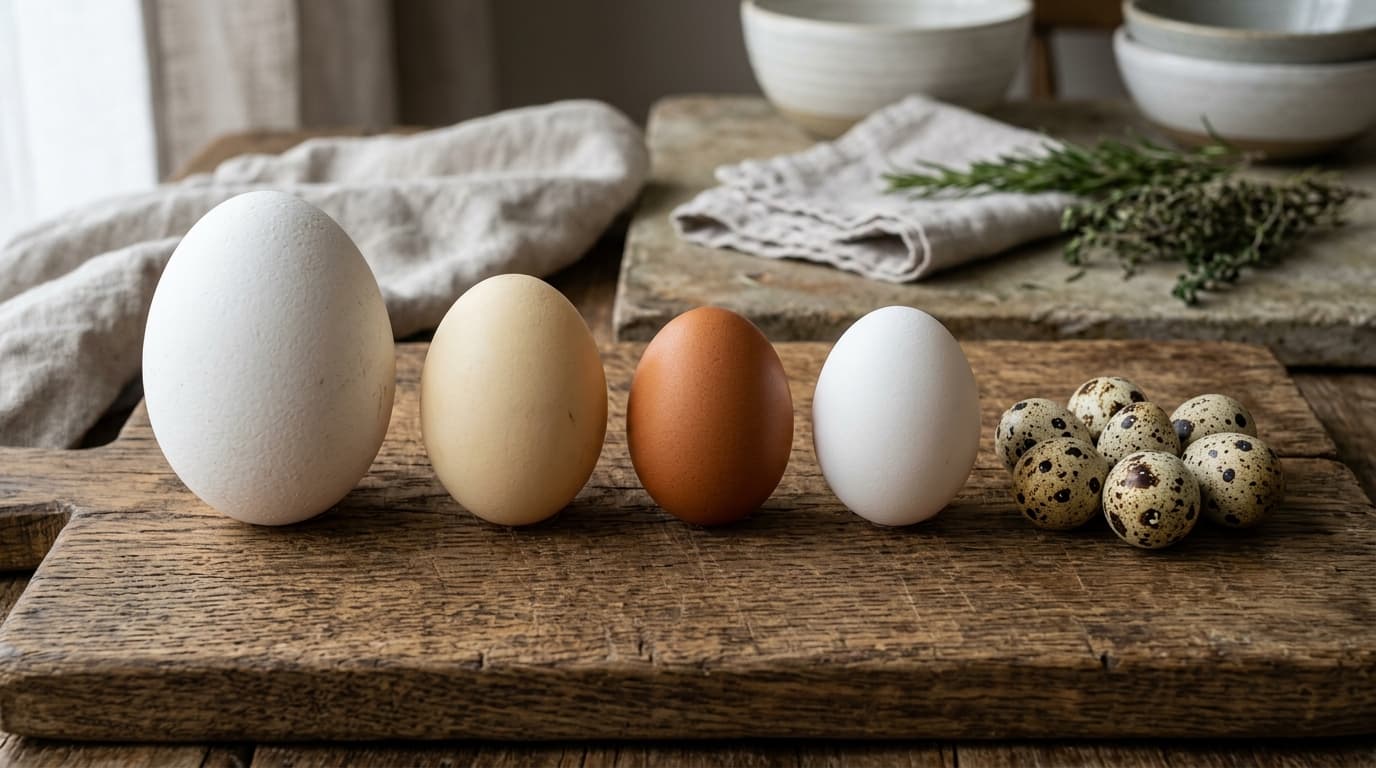
1 duck (70g) = 130 kcal · 1 chicken (50g) = 72 kcal · 2 duck ≈ 3 chicken
130 kcal · 9.0g protein · 3.78 mcg B12 · 619mg cholesterol
72 kcal · 6.3g protein · 0.45 mcg B12 · 186mg cholesterol
2 duck eggs ≈ 3 Large chicken · cook duck eggs on low heat
Direct Answer: 70g Duck vs 50g Large Chicken
One duck egg (FDC 172189) logs 130 kcal and 9.0g protein — roughly 40% heavier than a Large chicken egg (FDC 171287, 72 kcal, 6.3g protein). Always log by species, not shell count alone.
USDA FDC per 100g
- •Duck: 185 kcal, 12.81g protein, 13.77g fat, 70.8% water (FDC 172189).
- •Chicken: 143 kcal, 12.56g protein, 9.51g fat, 76.2% water (FDC 171287).
- •Protein density is similar per gram; duck eggs carry more total macros per shell.
- •Typical kitchen weights: 70g duck, 50g Large chicken.
Logging tips
- ✓Enter duck eggs under FDC 172189 — not as a default Large chicken egg.
- ✓Weigh farm eggs if size varies from 70g / 50g averages.
- ✓Available at farmers markets, Asian grocers, and pastured poultry farms.
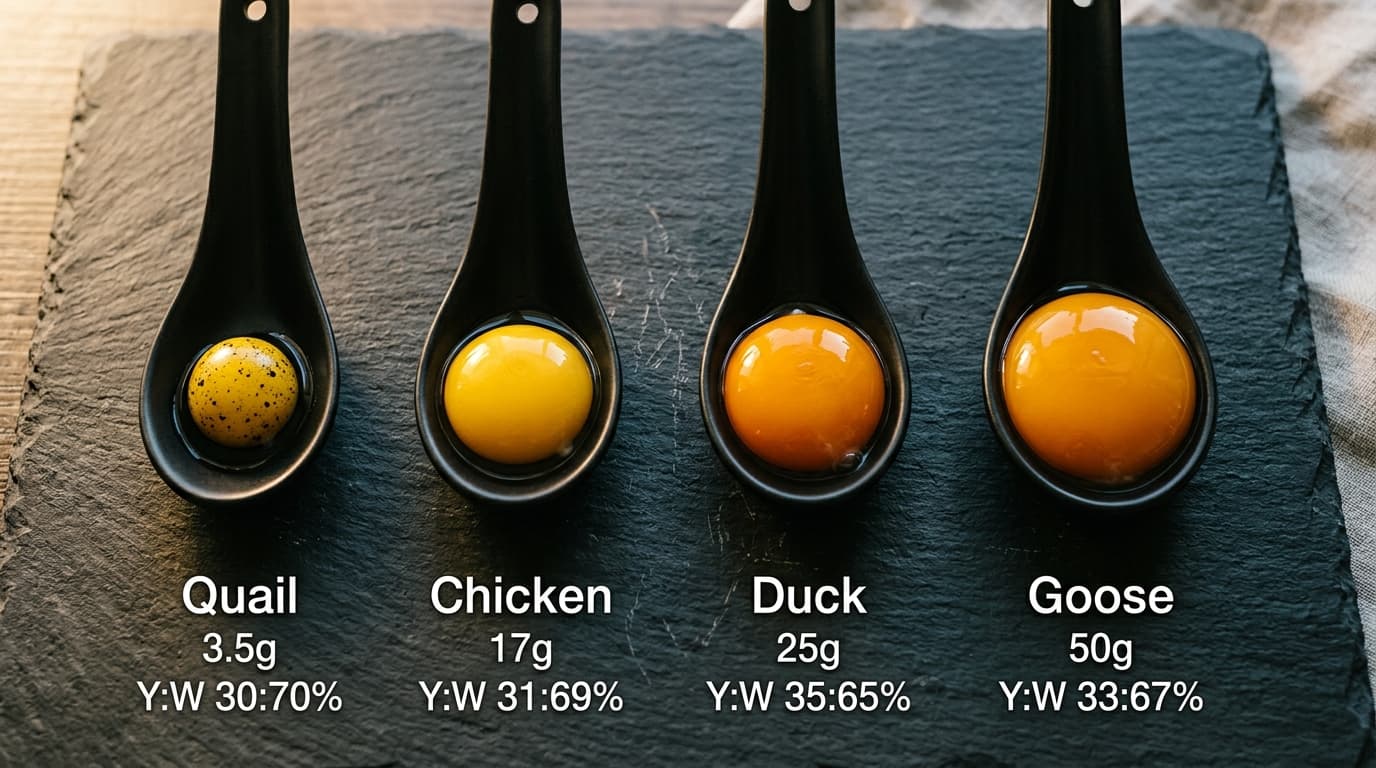
Larger Yolk: B12, Iron & Fat-Soluble Vitamins
Duck eggs devote more edible mass to yolk, concentrating B12, iron, selenium, folate, and fat. Per USDA FDC, one duck egg carries ~8× the B12 and ~3× the iron of one Large chicken egg.
Micronutrient highlights (per egg)
- •B12: 3.78 mcg duck vs 0.45 mcg chicken (~8× per egg).
- •Iron: 2.70 mg duck vs 0.88 mg chicken (~3× per egg).
- •Choline: 184 mg duck vs 147 mg chicken (higher per egg; chicken denser per 100g).
- •Cholesterol: 619 mg duck vs 186 mg chicken — reflects yolk volume; log for diary tracking.
Kitchen notes
- ✓Deep orange yolk color comes from carotenoids in the bird's diet.
- ✓Pastured ducks may produce eggs with higher omega-3 depending on forage.
- ✓Log cholesterol and fat values as listed — informational tracking only.
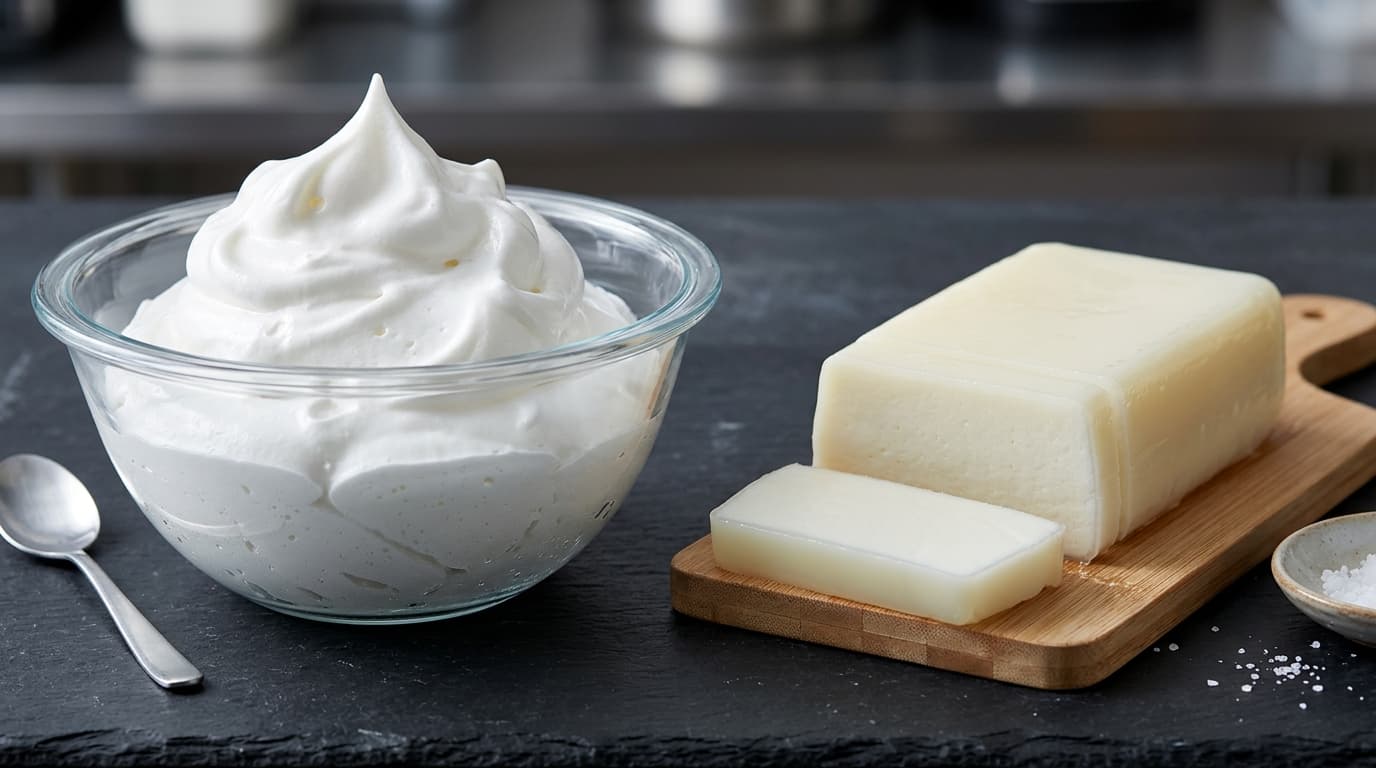
Baking: Dense Albumen & Taller Cake Rise
Duck albumen has less water and more protein solids, including ovomucin — which stabilizes whipped foam. Sponge cakes, soufflés, and meringues gain loft; use the 2:3 substitution rule for matched batch weight.
Albumen in baking
- •Ovomucin forms a viscoelastic film around air bubbles in whipped whites.
- •Duck whites whip slower but hold peaks with less weeping.
- •2 duck eggs (140g) ≈ 3 Large chicken eggs (150g) by edible mass.
- •Single-egg swap: add 1–2 tsp liquid; reduce butter ~1 tsp.
Pastry tips
- ✓Room-temp duck whites + pinch of cream of tartar for meringues.
- ✓Chiffon and angel food cakes show noticeably taller rise.
- ✓Brownies and custards: 1:1 swap often works for extra richness.
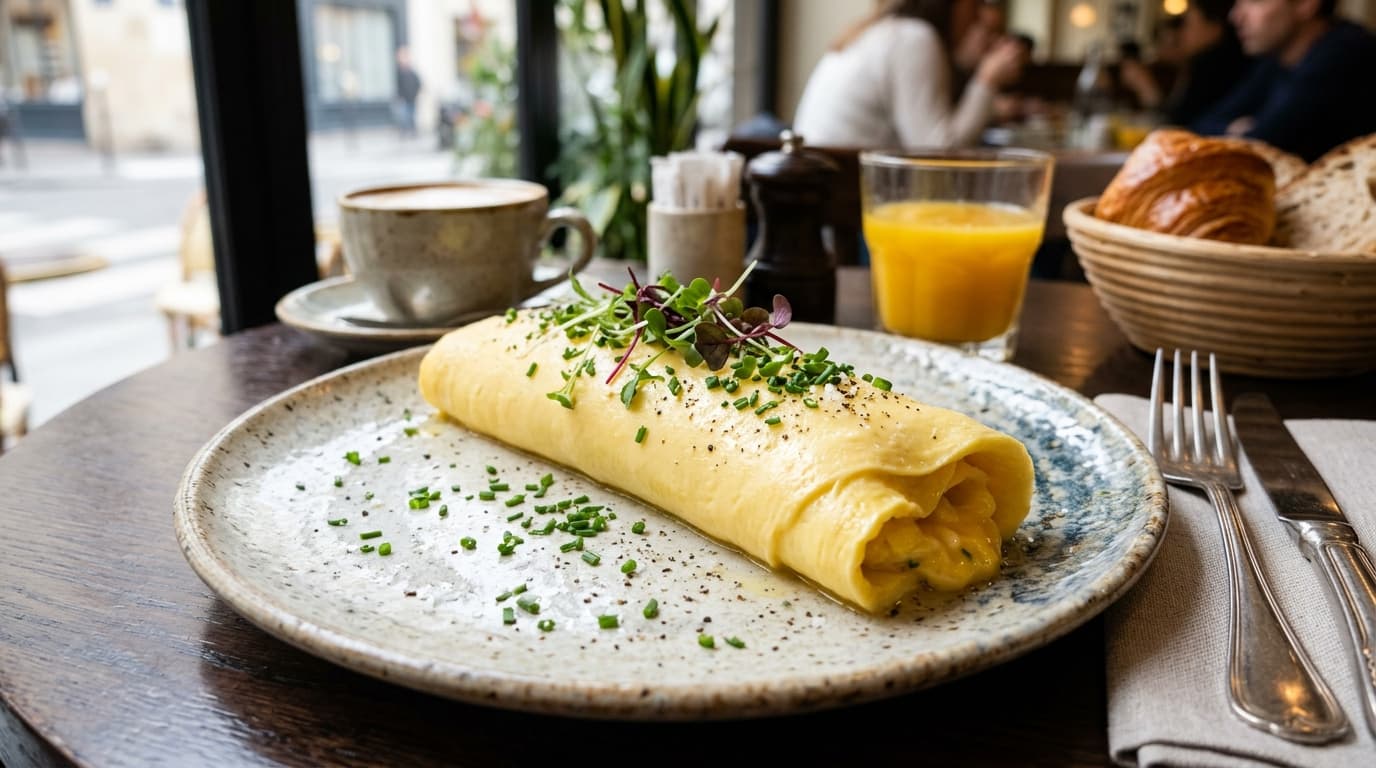
Pasta & Custards: Yolk-Rich Emulsions
The 39% yolk ratio gives handmade pasta a glowing color and resilient chew, while custards and crèmes set with a silkier body than standard chicken-egg formulas.
Yolk chemistry in cooking
- •Yolk phospholipids coat gluten strands in pasta dough for elasticity.
- •Higher lipid content reduces weeping in baked custards.
- •Hollandaise and lemon curd gain gloss from dense yolk lecithin.
- •Tipo 00 flour pairs well with duck yolk hydration ratios.
Recipe ideas
- ✓Tagliatelle, pappardelle, and ravioli with duck yolks hold sauce well.
- ✓Ice cream and gelato bases gain creaminess from extra yolk fat.
- ✓Pot de crème and flan set with a luxurious spoonable texture.
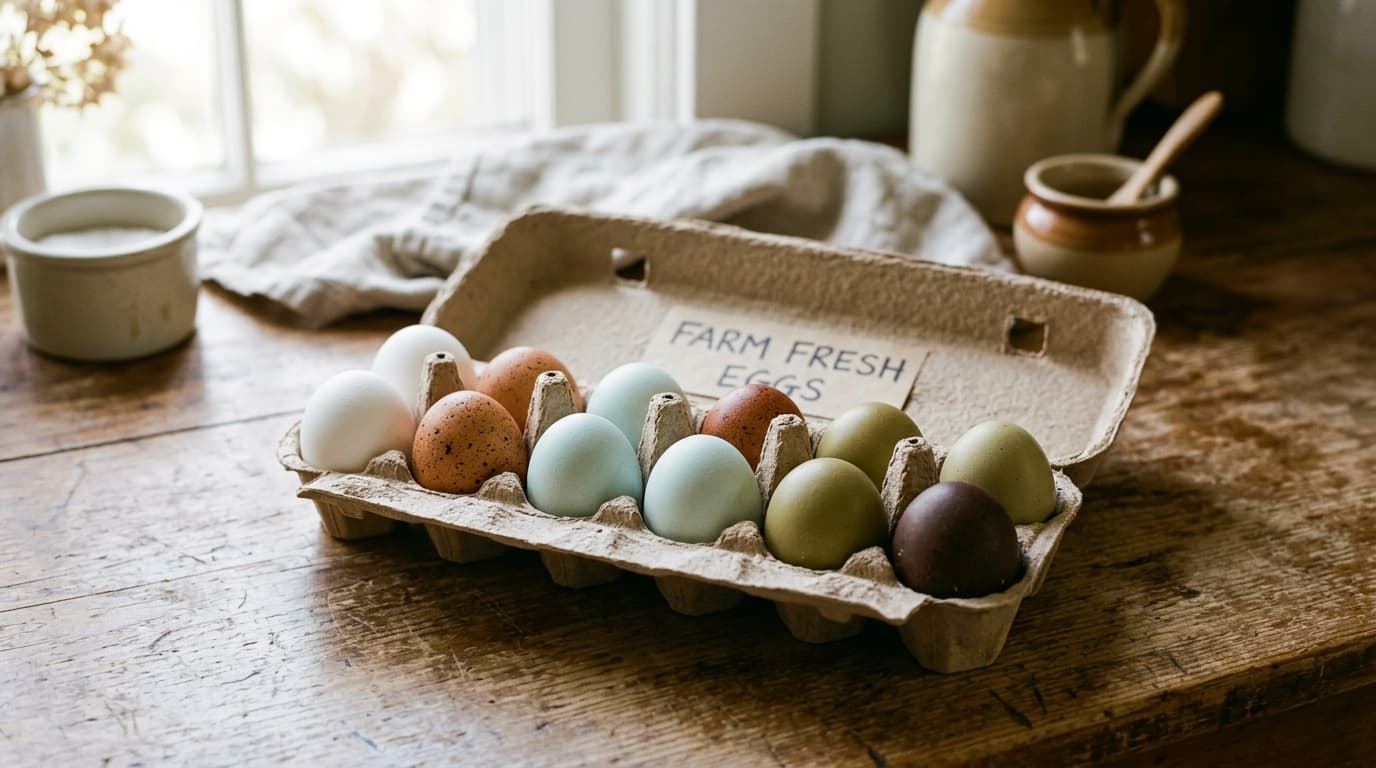
Thick Shell & Waxy Cuticle
Duck shells are thicker (~0.48–0.56 mm) with a waxy cuticle suited to damp nesting. Give a firm tap to crack. Wash unwashed farm eggs in warm water immediately before use — not cold.
Shell structure
- •Calcite shell columns resist cracking from minor impacts.
- •Waxy cuticle slows moisture loss through shell pores.
- •Cold water wash can draw liquid inward through pores — use warm water.
- •Refrigerate commercial washed eggs like chicken eggs.
Handling tips
- ✓Gentle taps often dent the shell without breaking through.
- ✓Shell colors range from white to jade, grey, and olive — color is not a quality indicator.
- ✓See egg storage guide for refrigerator placement.
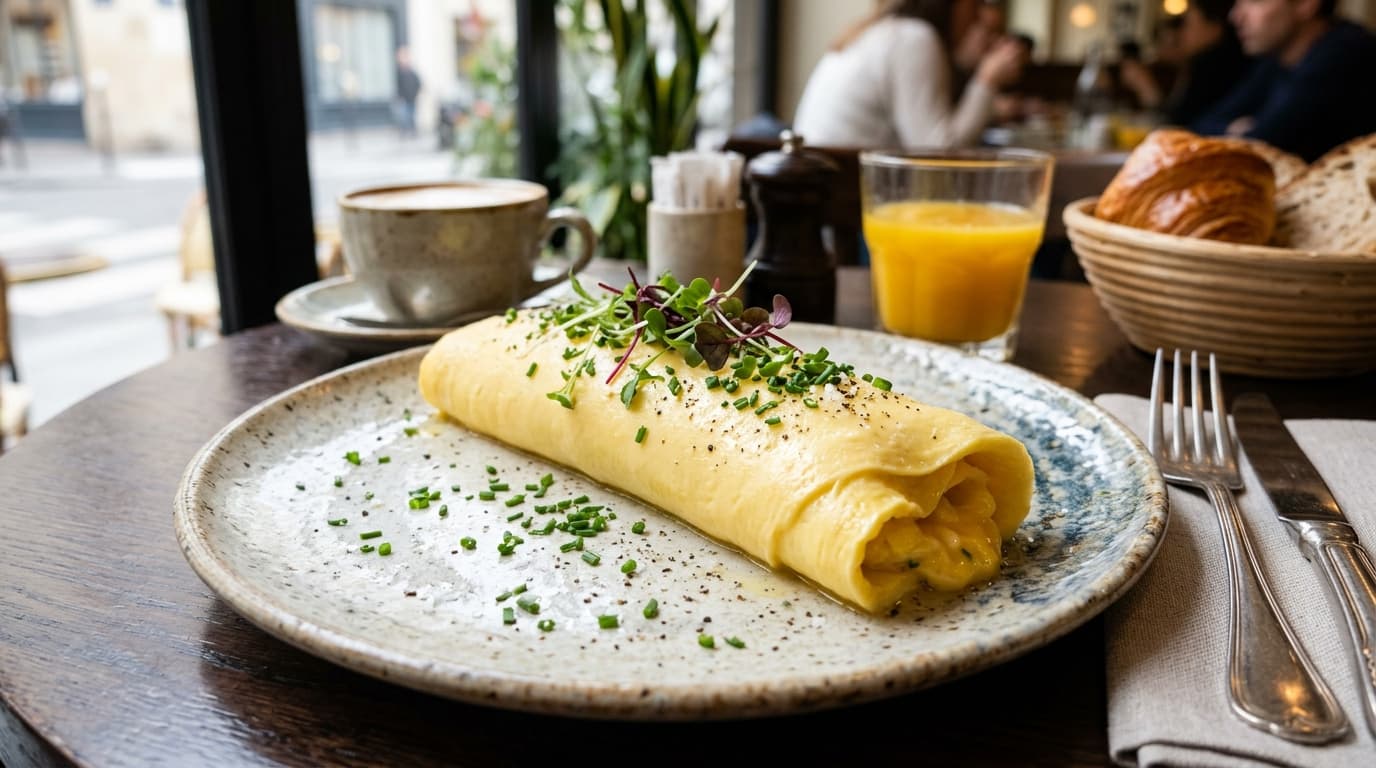
Low-Heat Cooking: Scrambles, Fry & Boil Times
Duck whites contain less water and set quickly. High heat makes them firm and dry. Cook scrambles over low heat, pull 30 seconds early, and boil 7.5 min (soft) or 11 min (hard) for a 70g egg.
Coagulation notes
- •Ovalbumin and ovotransferrin link faster in drier duck albumen.
- •Carryover heat finishes cooking after pan is removed.
- •Poach at 180°F–190°F (82°C–88°C) — avoid rolling boil.
- •Ice bath stops cooking and eases peeling for boiled eggs.
Skillet tips
- ✓Butter over low heat + continuous stirring = silky curds.
- ✓One sunny-side duck egg covers a full toast slice.
- ✓Use the egg boiling calculator for altitude adjustments.
Duck vs Chicken Eggs — Conversion & Nutrient Calculator
1 duck (70g) = 130 kcal · 2 duck ≈ 3 chicken. USDA FDC conversions, nutrient bars, baking profiles, and cook times. Informational journaling tool only.
The standard golden ratio is 2 Duck Eggs ≈ 3 Large Chicken Eggs (140g vs 150g edible mass). If substituting into cookies, reduce butter by 1 teaspoon per duck egg to prevent excessive dough spread. For rich batters (brownies, pound cakes, pancakes), duck eggs can be swapped 1:1 for a decadent, extra-rich crumb.
At a Glance
Do not log duck eggs as chicken eggs — weights and macros differ. Informational only — not dietary advice.
Key logging contrasts
USDA FoodData Central per whole egg
| Metric | Duck (70g) | Chicken (50g) |
|---|---|---|
| Weight | 70 g | 50 g (Large) |
| Calories | 130 kcal | 72 kcal |
| Protein | 8.97 g | 6.28 g |
| Vitamin B12 | 3.78 mcg (158% DV) | 0.45 mcg (19% DV) |
| Iron | 2.70 mg (15% DV) | 0.88 mg (5% DV) |
| Baking swap | 2 duck eggs | 3 Large eggs |
Cooking tip: Duck whites set faster — use low heat for scrambles and pull 30 seconds early.
Reference Serving
Log 1 duck egg as 130 kcal · 2 duck ≈ 3 Large chicken eggs in baking.
Duck eggs carry ~6× more B12 and ~3× more iron per whole egg (FDC 172189 vs 171287). Chicken eggs are the everyday baseline for smaller portions and lower calories per egg.
Do not log duck eggs as chicken eggs in food diaries — weights and macros differ. Cook duck whites on low heat to avoid a firm texture. Informational only — not dietary advice.
USDA Profile: Duck Egg (70g) vs Large Chicken Egg (50g)
| Nutrient | Nutrient | Duck (1 egg / 70g) | Chicken (1 Large / 50g) | Per 100g duck | Per 100g chicken | Notes |
|---|---|---|---|---|---|---|
| Calories | 130 kcal | 72 kcal | 185 kcal | 143 kcal | Duck +29% per 100g | |
| Protein | 8.97 g | 6.28 g | 12.81 g | 12.56 g | +43% protein per duck egg | |
| Total fat | 9.64 g | 4.76 g | 13.77 g | 9.51 g | Larger yolk in duck | |
| Saturated fat | 2.58 g | 1.56 g | 3.68 g | 3.13 g | Scales with yolk size | |
| Monounsaturated fat | 4.57 g | 1.83 g | 6.52 g | 3.66 g | Oleic acid dominant | |
| Polyunsaturated fat | 0.86 g | 0.96 g | 1.22 g | 1.91 g | Chicken slightly higher per 100g | |
| Cholesterol | 619 mg | 186 mg | 884 mg | 372 mg | Reflects yolk volume | |
| Vitamin B12 | 3.78 mcg (158% DV) | 0.45 mcg (19% DV) | 5.40 mcg | 0.89 mcg | ~6× per 100g · ~8× per egg | |
| Iron | 2.70 mg (15% DV) | 0.88 mg (5% DV) | 3.85 mg | 1.75 mg | ~3× per duck egg | |
| Choline | 184 mg (33% DV) | 147 mg (27% DV) | 263 mg | 294 mg | Higher per duck egg; chicken denser per 100g | |
| Vitamin A (RAE) | 136 mcg (15% DV) | 80 mcg (9% DV) | 194 mcg | 160 mcg | +70% per duck egg | |
| Selenium | 25.5 mcg (46% DV) | 15.4 mcg (28% DV) | 36.4 mcg | 30.8 mcg | +66% per duck egg | |
| Folate (B9) | 56 mcg (14% DV) | 24 mcg (6% DV) | 80 mcg | 47 mcg | ~2.3× per duck egg | |
| Lutein + zeaxanthin | 321 mcg | 252 mcg | 459 mcg | 503 mcg | Deep orange yolk pigment | |
| Water | 49.6 g (70.8%) | 38.1 g (76.2%) | 70.8% | 76.2% | Duck albumen is drier |
Scaled from USDA FDC 172189 (duck) and FDC 171287 (chicken). Per-egg values assume 70g duck and 50g Large chicken. DV = FDA 2,000 kcal reference diet.
Recipe Conversion: Chicken → Duck Eggs
| Nutrient | Chicken eggs in recipe | Use duck eggs | Chicken mass | Duck mass | Variance | Recipe tweak |
|---|---|---|---|---|---|---|
| 1 Large | 1 duck | 50 g | 70 g | +20 g | Add 1–2 tsp water/milk; reduce butter ~1 tsp in cookies | |
| 2 Large | 1–2 duck | 100 g | 70–140 g | Varies | 1 duck + 1 tbsp water, or 2 duck + 1 tbsp flour | |
| 3 Large | 2 duck | 150 g | 140 g | -6.7% | Golden ratio — near-perfect match | |
| 4 Large | 3 duck | 200 g | 210 g | +5% | Add 1 tbsp liquid in sponges if needed | |
| 6 Large | 4 duck | 300 g | 280 g | -6.7% | Ideal for cakes and brioche batches | |
| 12 Large | 8 duck | 600 g | 560 g | -6.7% | Standard bakery conversion |
Large chicken = 50g edible (33g white / 17g yolk). Duck = 70g edible (~43g white / 27g yolk). Rule: 2 duck eggs ≈ 3 Large chicken eggs.
Physical & Shell Comparison
| Nutrient | Property | Duck egg | Chicken egg | Kitchen note |
|---|---|---|---|---|
| Average weight | 70 g (65–85 g) | 50 g (Large) | Weigh for accurate diary entries | |
| Yolk share | ~38–42% of edible mass | ~32–34% | More yolk fat and color in duck | |
| White share | ~58–62% | ~66–68% | Duck white has less water | |
| Albumen water | ~85.5% | ~87.8% | Duck white sets firmer when cooked | |
| Shell thickness | ~0.48–0.56 mm | ~0.33–0.38 mm | Firm tap needed to crack duck shells | |
| Shell color | White, jade, grey, olive | White, brown, speckled | Color does not affect nutrition |
Anatomical ranges from poultry extension and food-science references. Weigh eggs for logging rather than counting shells.
Cooking & Baking Notes
| Nutrient | Application | Duck egg | Chicken egg | Tip |
|---|---|---|---|---|
| Sponge & chiffon cakes | Taller rise, golden crumb | Standard rise | Dense albumen holds air cells well | |
| Pasta & custards | Deep color, rich set | Milder yellow | High yolk fat aids emulsion | |
| Meringues | Slow to whip; stable peaks | Whips faster | Room-temp whites + cream of tartar | |
| Scrambles & omelets | Rubbery if overheated | More forgiving | Low heat; pull 30 s early | |
| Boiling | 7.5 min soft / 11 min hard | 6 min soft / 9 min hard | Ice bath after boiling |
Times are typical kitchen references for 70g duck and 50g Large chicken eggs at sea level.
Duck vs Chicken Eggs: Direct Answer
One duck egg (70g) delivers 130 kcal, 9.0g protein, 9.6g fat, and 3.78 mcg vitamin B12 per USDA FDC 172189. One Large chicken egg (50g) delivers 72 kcal, 6.3g protein, 4.8g fat, and 0.45 mcg B12 per FDC 171287. On a per-egg basis, duck eggs carry roughly 6× more B12, 3× more iron, and ~80% more calories — mostly from a larger yolk.
For food diary logging, always enter duck and chicken eggs separately. A single duck egg is not equivalent to one chicken egg in apps that default to Large chicken portions.
Yolk Ratio, Macros & Micronutrients
Duck eggs devote roughly 38–42% of edible weight to yolk, versus 32–34% in chicken eggs. That larger yolk drives higher fat (9.6g vs 4.8g per egg), cholesterol (619mg vs 186mg), and fat-soluble vitamins per shell. Cholesterol values reflect yolk volume — log them as listed in FDC for personal tracking, not as health guidance.
Standout micronutrients per duck egg (70g): B12 3.78 mcg, iron 2.70 mg, selenium 25.5 mcg, folate 56 mcg, vitamin A 136 mcg RAE, choline 184 mg. Pastured ducks may produce eggs with higher omega-3 content depending on diet (Penn State Extension).
Per 100g, protein is nearly identical (12.8g duck vs 12.6g chicken). Duck eggs are simply larger and more calorie-dense because of extra yolk lipids.
Baking Science & the 2:3 Substitution Rule
Duck albumen contains less water (~85.5% vs ~87.8%) and more protein solids, with higher ovomucin — the glycoprotein that thickens raw whites. Whipped duck whites form stable foam that expands well in sponge cakes, soufflés, and meringues, though they take longer to whip than chicken whites.
The standard kitchen conversion is 2 duck eggs ≈ 3 Large chicken eggs (140g vs 150g edible mass). For a single-egg swap, use 1 duck egg plus 1–2 tsp water or milk, and reduce butter by about 1 tsp to balance extra yolk fat. In dense recipes (brownies, custards), a 1:1 swap often works for richness.
Gentle Cooking, Shell & Storage
Duck whites coagulate quickly and can turn firm if pan heat is too high. Cook scrambles and omelets over low to medium-low heat, stirring gently, and pull from heat ~30 seconds before they look fully set. Boiling: 7.5 minutes for jammy soft yolk, 11 minutes for hard-boiled — then ice-bath immediately.
Duck shells are ~45% thicker with a waxy outer cuticle. Crack with a firm tap on a flat surface. Store refrigerated like chicken eggs. If washing unwashed farm eggs, use warm running water immediately before use (not cold — cold water can draw moisture through shell pores). See our egg storage guide for refrigerator placement tips.
Common Misconceptions
Myth: Duck eggs taste gamey or swampy.
Fact: Fresh duck eggs from well-fed birds taste similar to chicken eggs — richer and creamier due to higher yolk fat. Flavor follows the bird's diet more than species.
Myth: You can substitute duck eggs 1-for-1 in any recipe.
Fact: One duck egg has ~40% more mass and nearly double the yolk fat of a Large chicken egg. Use the 2 duck ≈ 3 chicken rule for cakes and cookies; adjust liquid and butter for single-egg swaps.
Myth: Duck egg whites whip faster than chicken whites.
Fact: Higher albumen density means duck whites whip more slowly but produce a more stable, glossy foam once peaked.
Myth: Duck and chicken eggs log the same in food diaries.
Fact: FDC 172189 (duck, 70g) and FDC 171287 (chicken, 50g) differ by ~58 kcal and ~2.7g protein per egg. Always log by species and weight.
Myth: Shell color tells you whether an egg is duck or chicken.
Fact: Both species come in white, tinted, and speckled shells. Weight and source label are more reliable than color alone.
Practical Notes for Tracking
- •Log duck eggs at FDC 172189 (70g) and chicken at FDC 171287 (50g Large) — never interchange in food diaries.
- •Substitute 2 duck eggs for every 3 Large chicken eggs in baking for near-matched mass.
- •Cook duck eggs on low heat; pull scrambles off the burner 30 seconds early.
- •Bring duck whites to room temperature before whipping meringues; add a pinch of cream of tartar.
- •Crack duck shells with a firm tap; wash unwashed farm eggs in warm water just before use.
Informational only — for personal nutrition awareness and journaling. Not personalized dietary advice. Disclaimer
Frequently Asked Questions
Scientific References & Data Sources
Nutrition values on this page are derived from the peer-reviewed sources below. This page is for informational food logging and personal awareness only. See our disclaimer.
USDA SR Legacy baseline for raw duck egg per 100g (185 kcal, 12.81g protein, 13.77g fat, 884mg cholesterol, 5.4mcg B12, 3.85mg iron). Typical kitchen egg ≈ 70g.
Baseline for raw whole Large chicken egg per 100g (143 kcal, 12.56g protein, 9.51g fat, 372mg cholesterol, 0.89mcg B12, 1.75mg iron). Typical Large ≈ 50g.
University extension notes on duck egg size (32–34 oz/dozen vs 24–26 oz for chicken), laying rates, and forage-based diets.
Commercial albumen standards: solids content, whipping grades, and functional performance in baking.
Our data sourcing, verification, and fact-checking methodology.