Egg Types & Production Systems
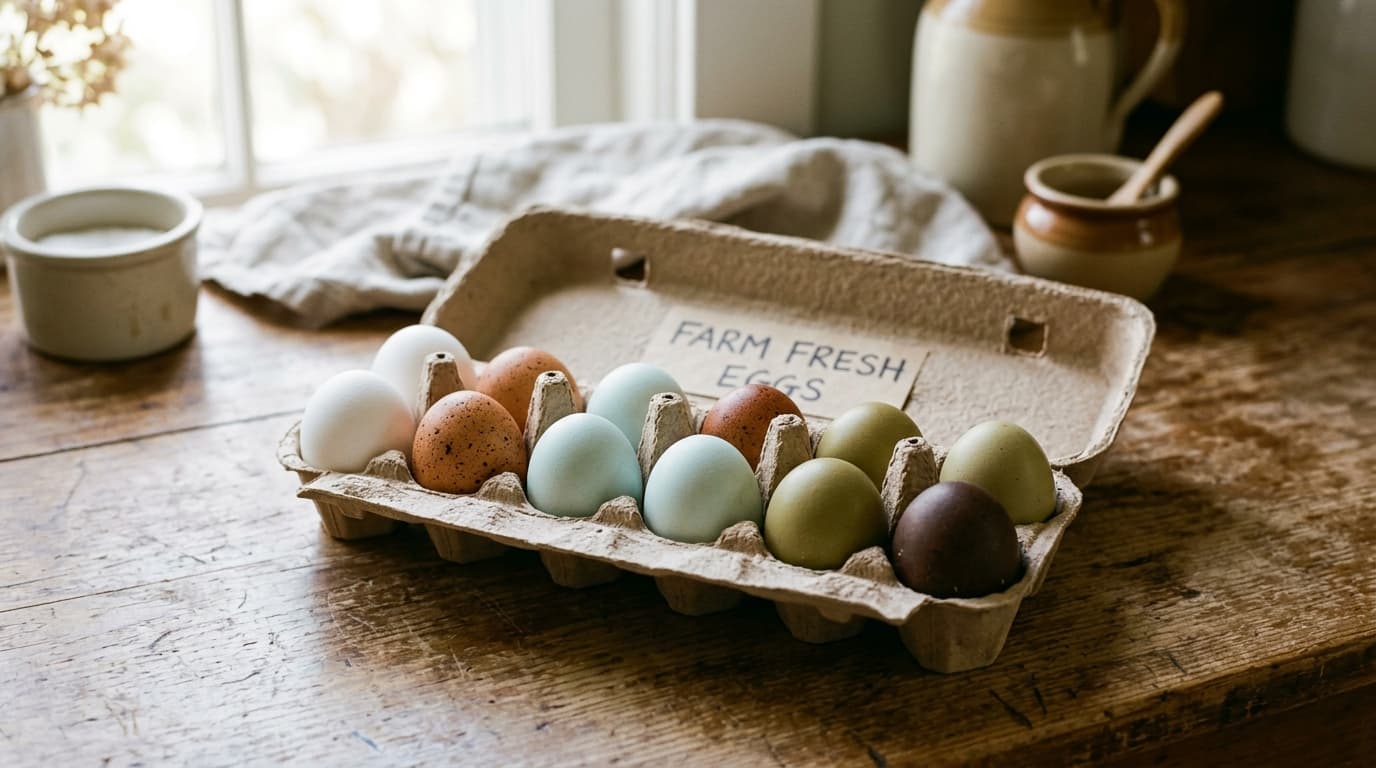
Egg production & carton labels
Types of Eggs: Production, Feed & What to Log
US egg farmers supply a wide range of egg choices — from conventional and cage-free barns to pasture-raised and organic flocks. Each carton label describes a different axis: where hens live, what they eat, how eggs are processed, shell breed genetics, or bird species. This visual blog breaks down every major type with nutrition chips for your food diary.
Informational kitchen reference — not dietary advice.
Large chicken egg baseline
50g edible · 72 kcal · 6.3g protein · 4.8g fat
USDA FoodData Central FDC 171287 — applies to all housing and shell colors when feed matches.
Egg Types Encyclopedia
Each entry below mirrors the industry definitions used on egg carton labels — with added nutrition chips, space standards, and logging notes. Scroll through or jump to a type from the quick links.
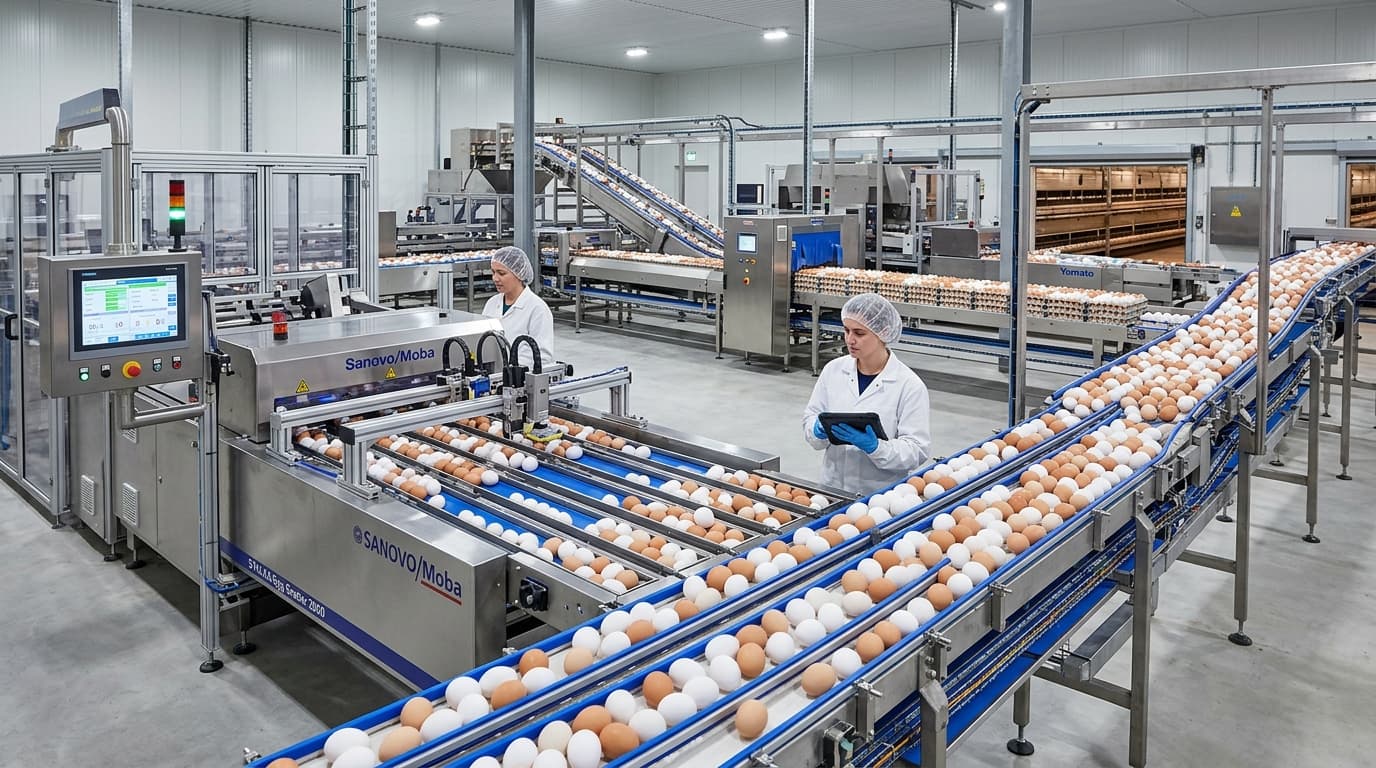
Conventional Eggs
Most US supermarket eggs come from hens in modern, climate-controlled housing with automated feeding, watering, and egg collection. Space per hen is typically 67–86 square inches under United Egg Producers (UEP) guidelines.
- •Lowest typical retail price ($1.50–$2.50 per dozen)
- •USDA macro baseline for food-diary logging
- •Same 50g edible portion as every other Large chicken egg
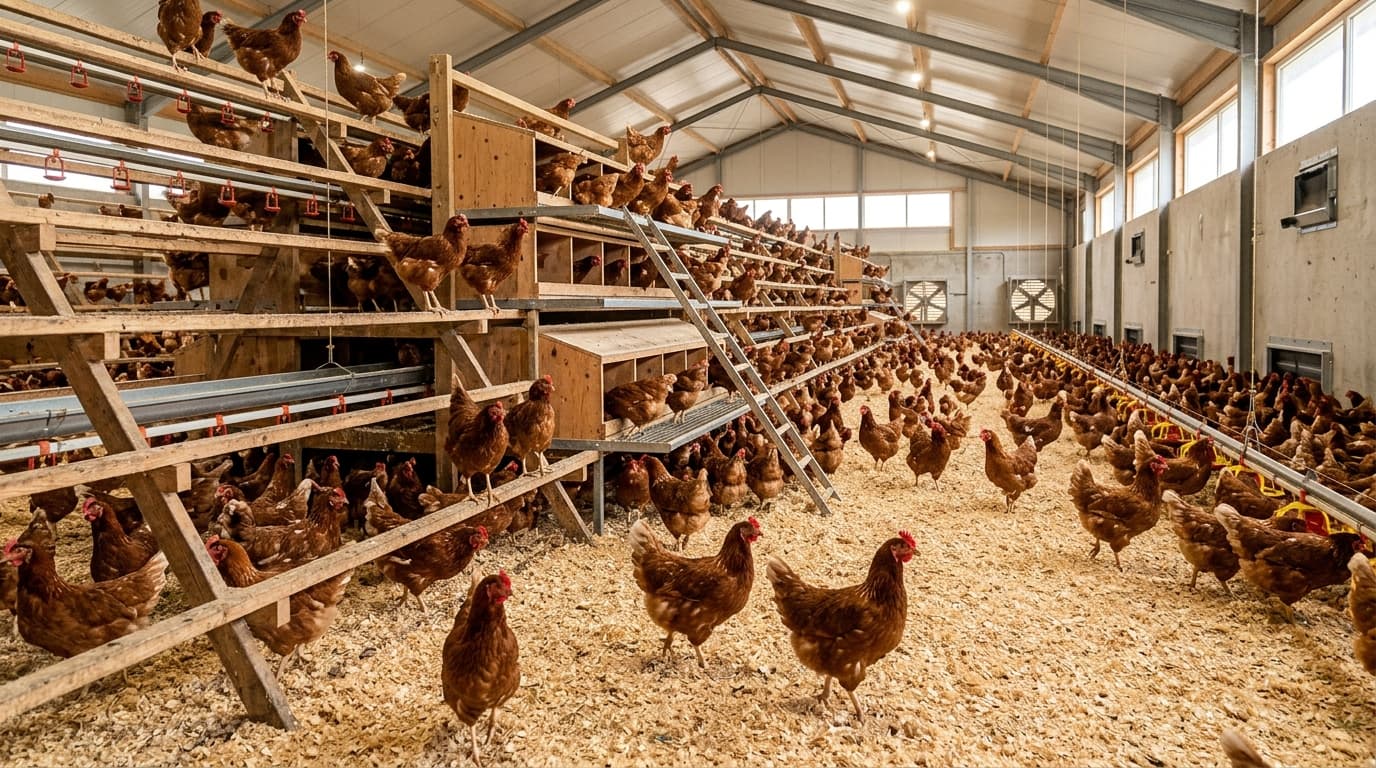
Cage-Free Eggs
Cage-free hens live in indoor floor operations — aviaries or barns — where they can walk, perch, spread wings, and lay in nest boxes. Certified Humane standards require about 1.0–1.5 square feet of indoor space per hen. There is no mandatory outdoor access.
- •Not the same as free-range or pasture-raised
- •Macros match conventional when feed is identical
- •Typical US price: $3.00–$4.50 per dozen
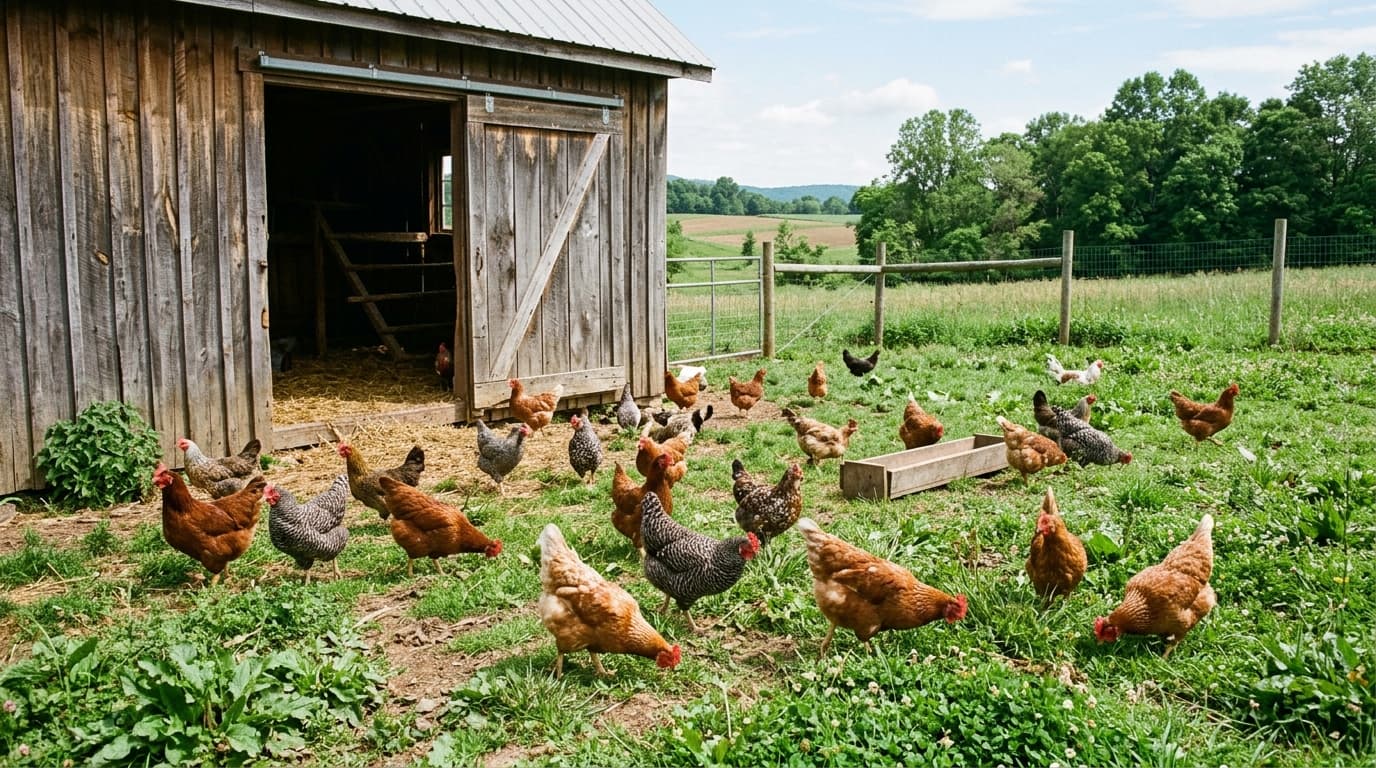
Free-Range Eggs
Free-range hens have access to the outdoors for part of the day. USDA organic rules require outdoor access; Certified Humane free-range standards specify a minimum 2 square foot outdoor run per hen in addition to indoor barn space.
- •Outdoor access required — duration varies by farm
- •May log slightly higher carotenoids if hens forage greens
- •Typical US price: $4.00–$5.50 per dozen
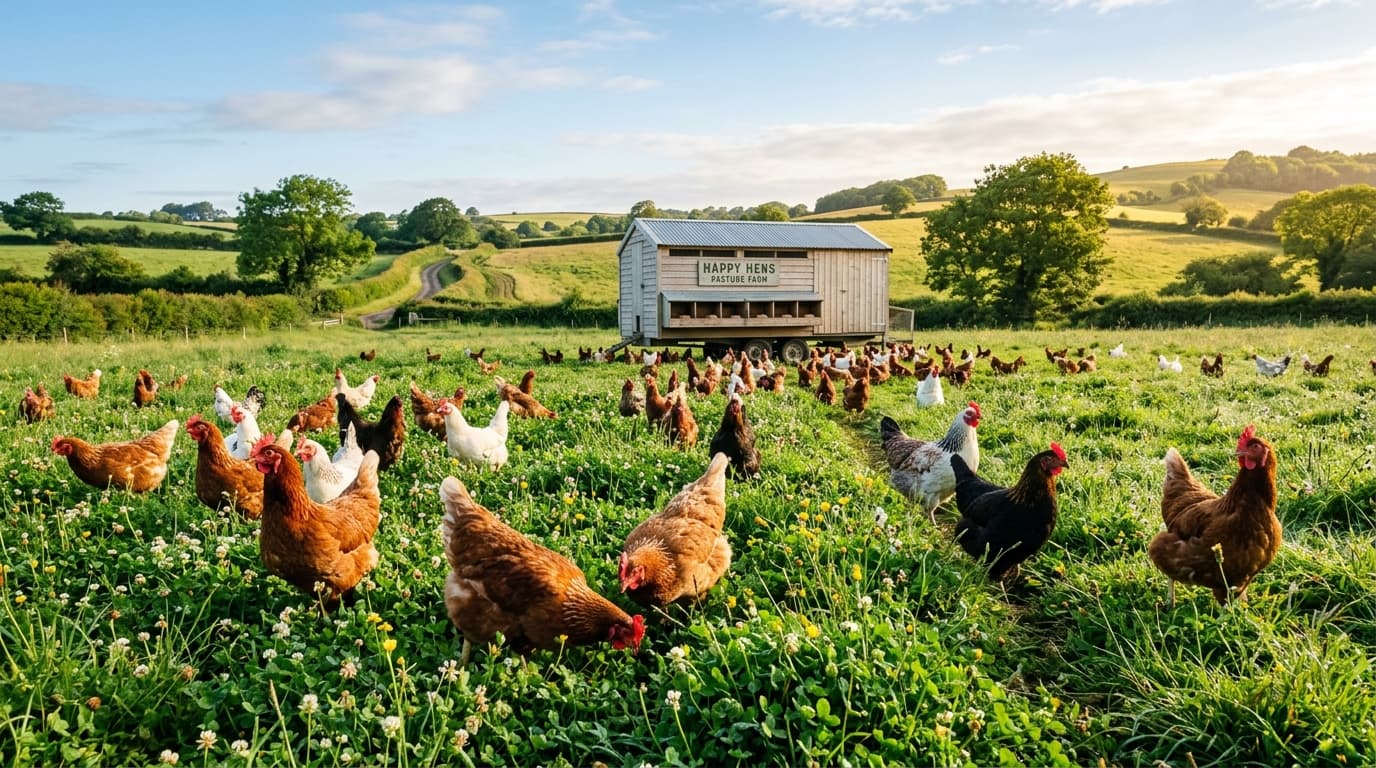
Pasture-Raised Eggs
Pasture-raised hens roam on rotated green pasture. Certified Humane and Animal Welfare Approved programs require a minimum of 108 square feet of outdoor pasture per hen — the highest commonly audited outdoor standard in US retail.
- •Highest outdoor space standard in mainstream retail
- •Some studies report modestly higher omega-3 and vitamin D — varies by farm and season
- •Typical US price: $5.50–$8.00+ per dozen
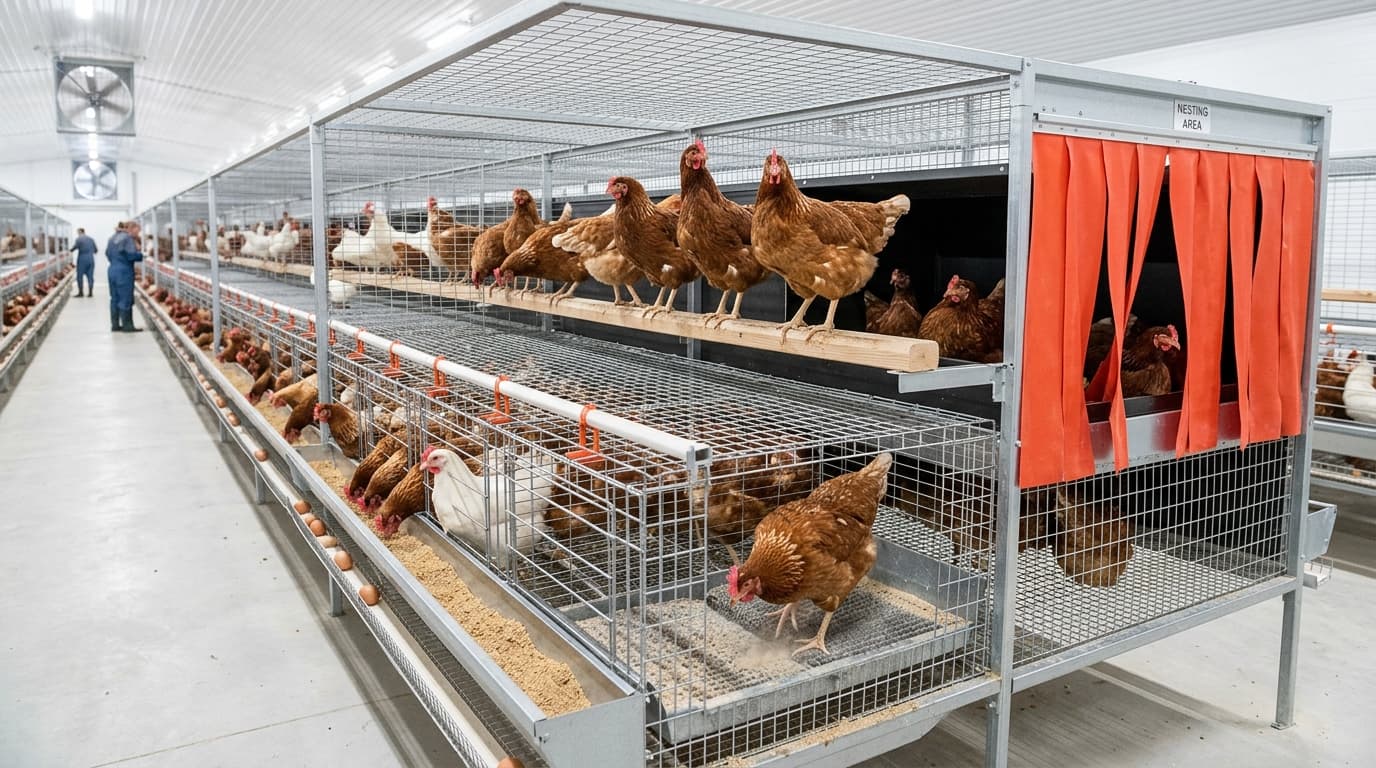
Enriched Colony Eggs
Enriched colony (or furnished cage) systems group hens in larger indoor enclosures with perches, nest boxes, and scratch areas so birds can express natural behaviors. Space is roughly 116–124 square inches per hen — more than conventional cages, but still no outdoor access.
- •Middle tier between conventional and cage-free on space
- •Audited by American Humane or UEP programs
- •Typical US price: $2.50–$3.50 per dozen
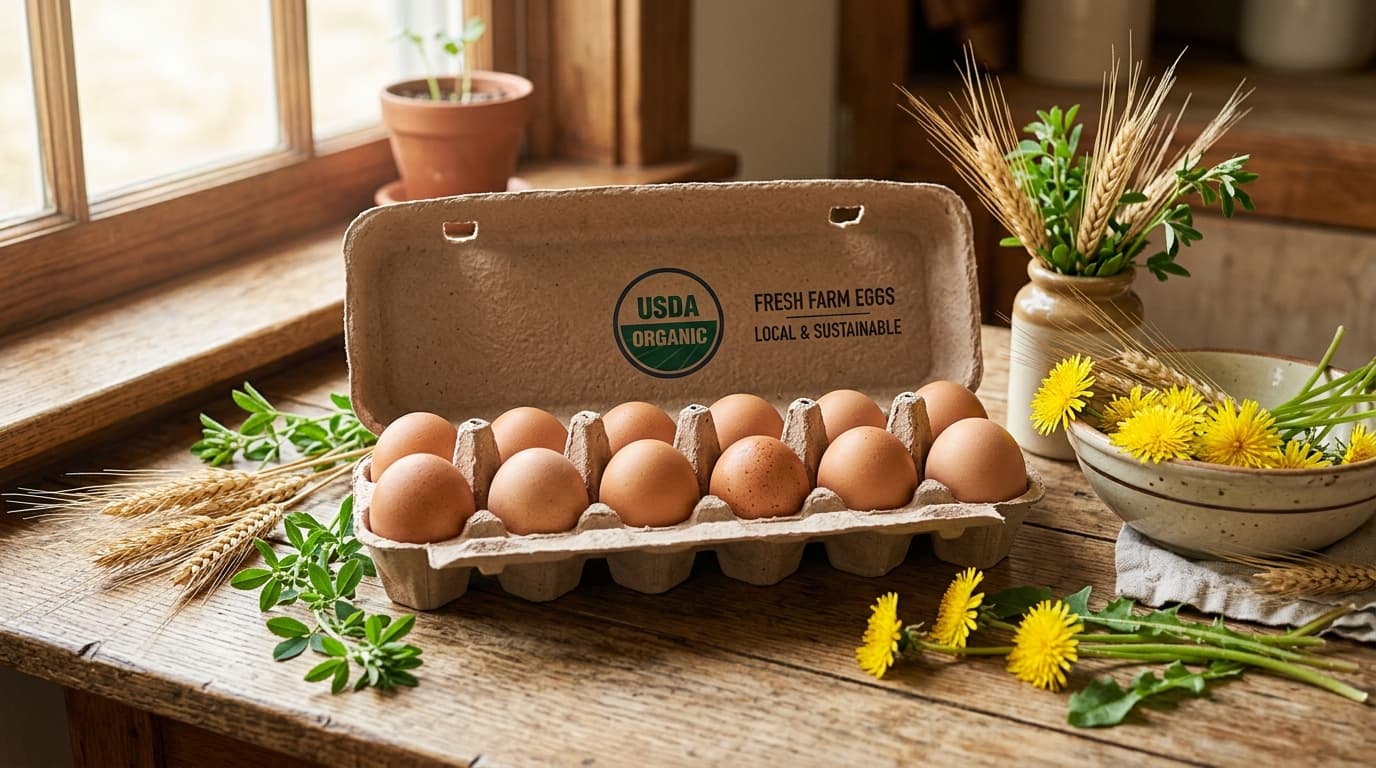
USDA Certified Organic Eggs
USDA National Organic Program (NOP) eggs must come from cage-free hens with outdoor access, fed 100% certified organic non-GMO grains free of synthetic pesticides and antibiotics. Organic is both a housing and feed standard — not a separate macro profile.
- •Cage-free + mandatory outdoor access + organic feed
- •Third-party USDA NOP certification on carton
- •Typical US price: $5.00–$7.50 per dozen
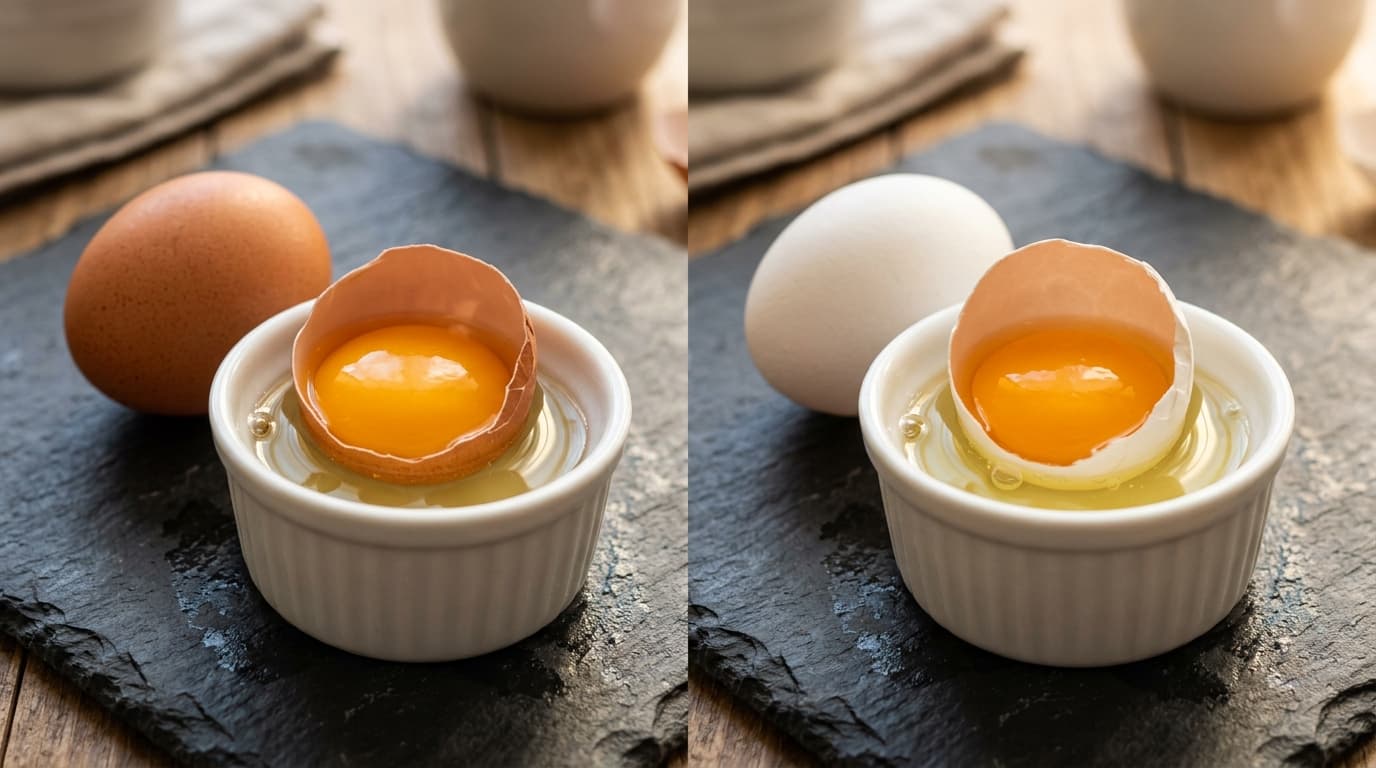
Brown Eggs
Brown shells come from breeds like Rhode Island Red, Plymouth Rock, and Black Copper Marans. Shell color is determined entirely by hen genetics — protoporphyrin IX pigment deposited on the outer shell. It does not enter the egg white or yolk.
- •Zero macro difference vs white eggs when feed matches
- •Often cost more because brown-laying breeds are larger and eat more feed per dozen
- •Deep chocolate shells (Marans) are a breed trait, not a nutrition signal
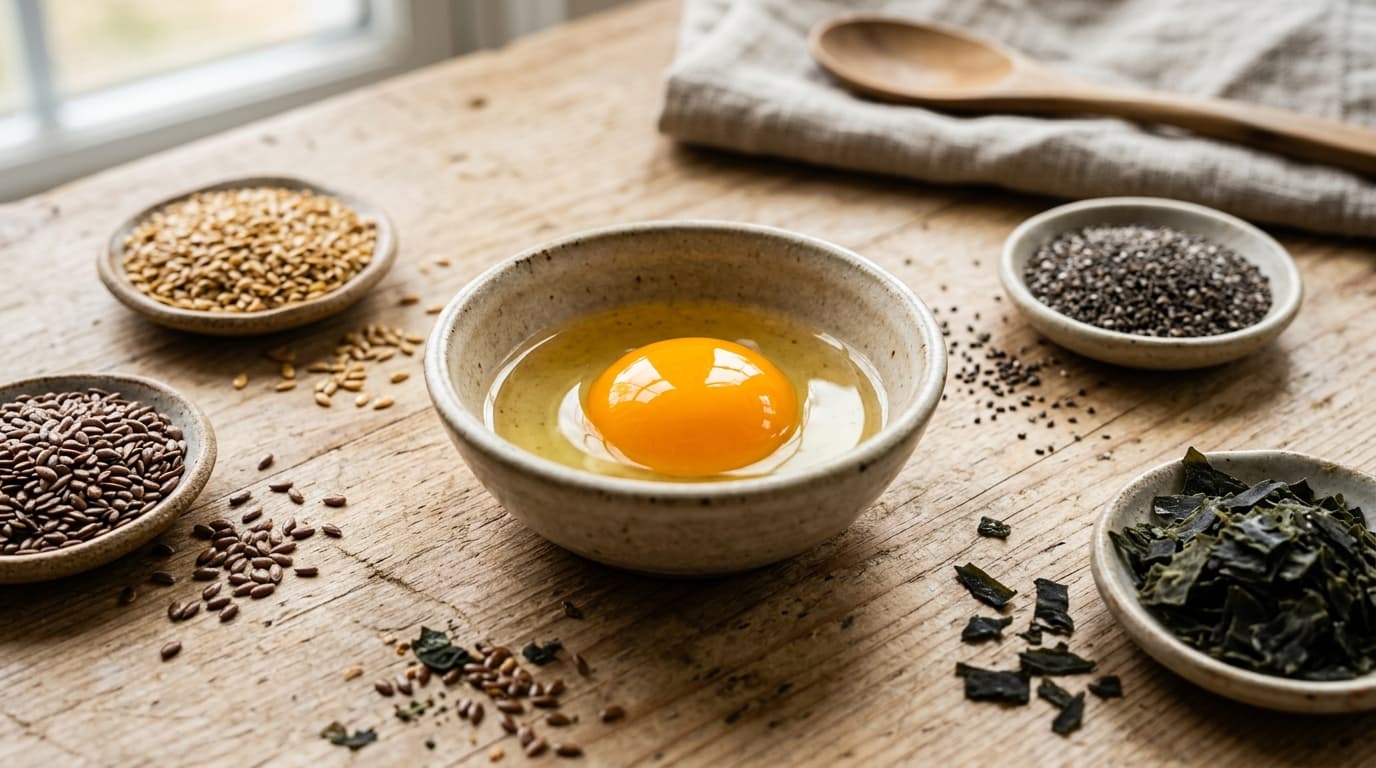
Omega-3 Enriched Eggs
Hens are fed a supplemented ration — typically 10–20% flaxseed, algae, or fish oil — that raises omega-3 fatty acids in the yolk. This is a feed label, independent of housing. A conventional omega-3 egg and a pasture omega-3 egg can log similar fatty-acid ranges if the feed formulation matches.
- •Log ALA and DHA separately if you track fatty acids
- •Protein and calories stay at the Large egg baseline
- •Brand-to-brand variation is wide — check your carton or brand website
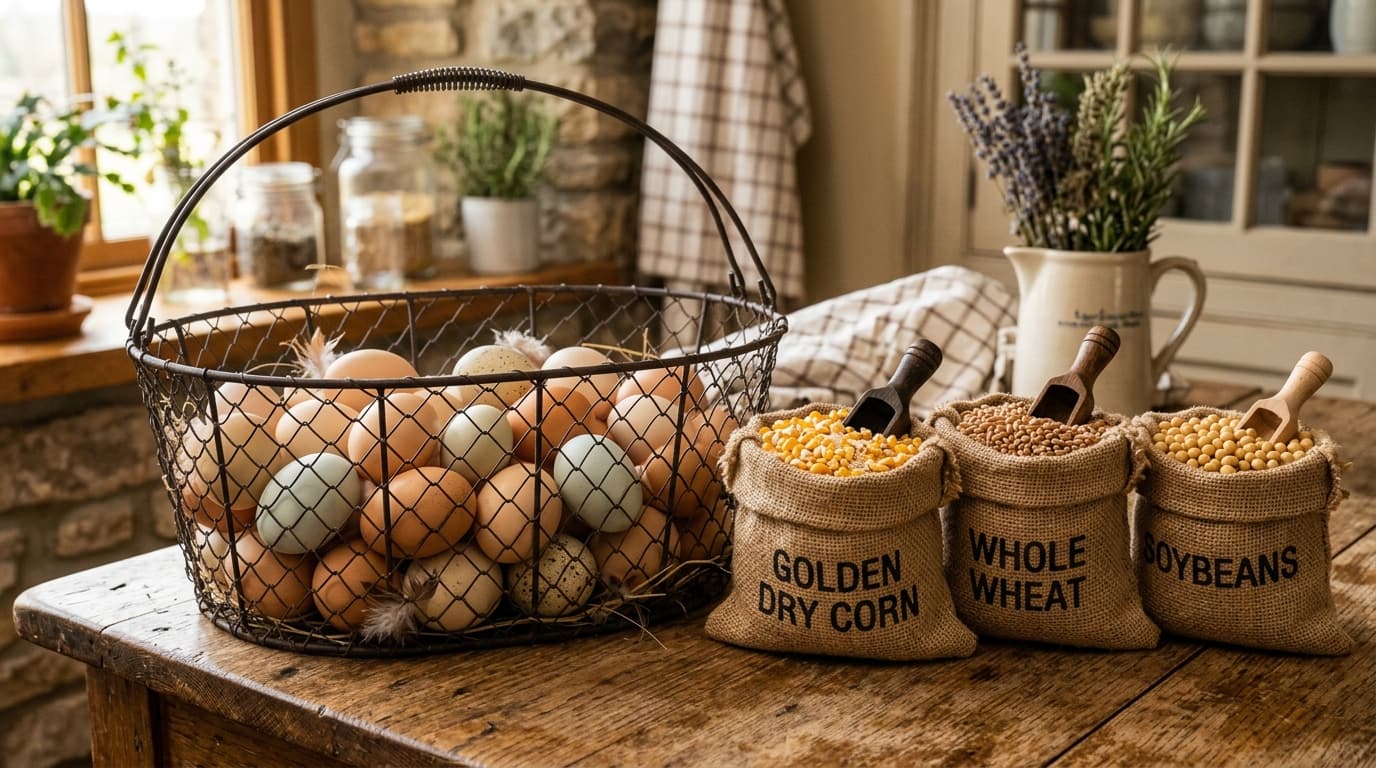
Vegetarian-Fed Eggs
Vegetarian-fed hens receive a plant-only indoor ration with no animal by-products (no fish meal, bone meal, or feather meal). Chickens are naturally omnivorous and will eat insects when they have outdoor access — the label certifies feed ingredients only, not total diet.
- •Common in cage-free and conventional indoor operations
- •Does not guarantee outdoor access or organic certification
- •Macros identical to standard grain-fed eggs
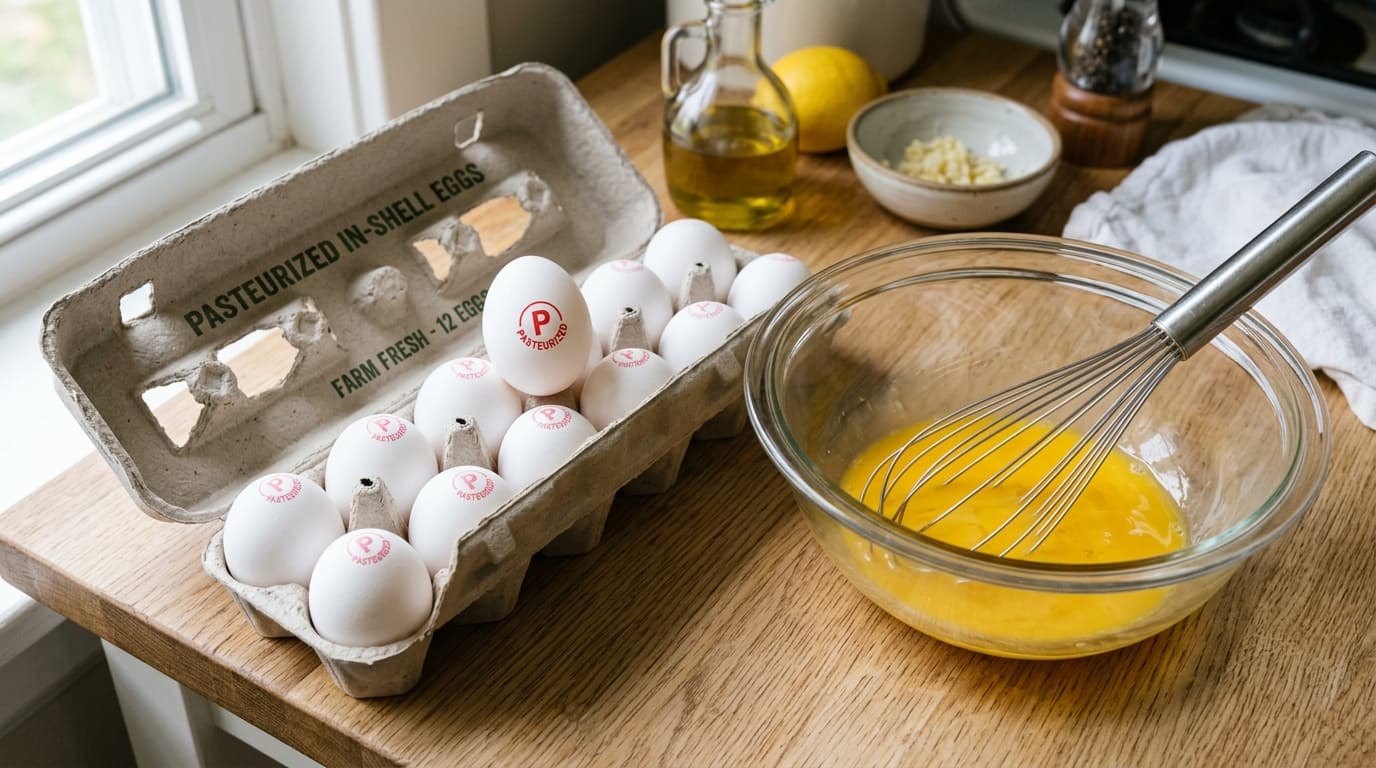
Pasteurized In-Shell Eggs
In-shell pasteurized eggs are gently warm-water treated so whites and yolks remain fluid inside the shell. Look for the red "P" stamp. They suit recipes that call for raw or lightly cooked egg — Caesar dressing, homemade mayonnaise, aioli, eggnog, and royal icing — when your kitchen workflow calls for them.
- •Same 72 kcal / 6.3g protein per Large egg as raw shell eggs
- •Processing method only — not a housing or feed category
- •Refrigerate and use by the carton date like standard eggs
At-a-Glance: What Changes in Your Food Diary
Calories and protein stay on the Large egg baseline unless you switch species or portion size.
| Egg type | Calories | Protein |
|---|---|---|
| Conventional / cage-free / free-range / pasture / organic | 72 kcal | 6.3g |
| Brown vs white shell | 72 kcal | 6.3g |
| Omega-3 enriched | 72 kcal | 6.3g |
| Vegetarian-fed | 72 kcal | 6.3g |
| Pasteurized in-shell | 72 kcal | 6.3g |
| Duck (1 egg, ~70g) | 130 kcal | 9.0g |
| Quail (1 egg, ~9g) | 14 kcal | 1.2g |
Housing Space Compared
Bar length shows relative hen space (log scale for pasture). Use this chart when outdoor access or welfare audits matter more than macro tracking.

Yolk color ≠ shell color
Marigold, paprika, alfalfa, and pasture greens in feed drive yolk shade — not brown shells.
Standard grain
30–50 mg omega-3 · everyday baseline
Vegetarian-fed
40–60 mg · plant-only indoor ration
Omega-3 enriched
150–600+ mg · log fatty acids separately
USDA organic feed
50–100 mg · 100% certified organic grains
Shell Color Gallery & Genetics
When hens eat the same ration, every shell color logs identical calories and protein. Shell pigmentation is deposited in the shell gland during the final hours of formation.
Cracked ramekins prove: brown shells and white shells contain identical USDA macro nutrition.
White
White Leghorn
Brown
Rhode Island Red
Blue
Ameraucana
Olive
Olive Egger
Dark brown
Marans
Avian Species Comparison: Size & Nutrition
Visual scale and edible liquid grams (chicken = 50g baseline). When baking or cooking with other species, substitute by weight, not shell count.
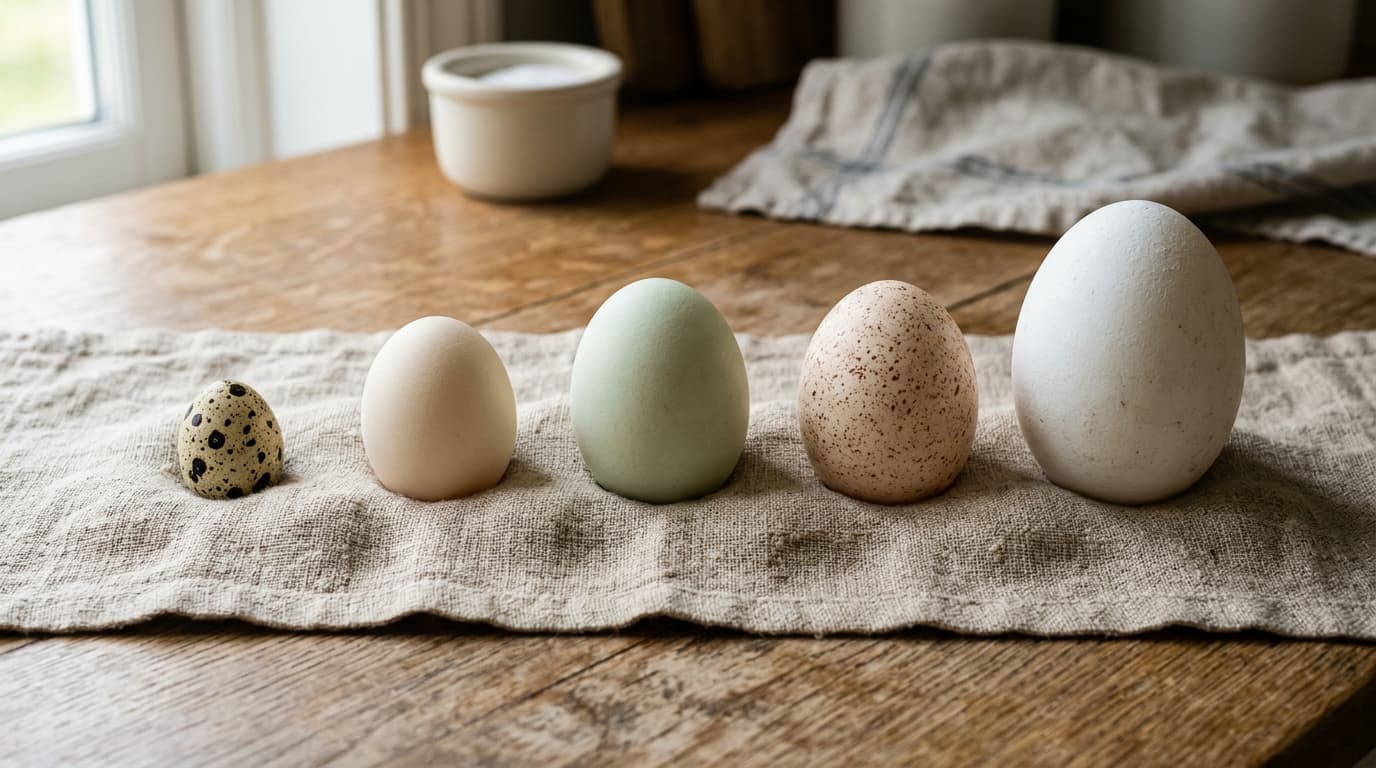
Scale Lineup
From left: Quail (9g) · Chicken (50g) · Duck (70g) · Turkey (80g) · Goose (144g)
Tab through housing systems, feed types, yolk color (DSM fan), species substitution math, and pasteurized egg standards. Pair it with this encyclopedia when decoding a specific carton at the grocery store.
Pasteurized in-shell eggs feature the red "P" stamp — safe for raw dressings, homemade mayo, and cocktails.
Labels, Feed, Species & Substitution Reference
Compare housing standards, feed formulations, yolk color from carotenoids, pasteurized eggs, and species substitution math. Informational kitchen reference only.
Hen Housing Systems: Living Conditions vs. Nutrition
Carton housing claims describe hen welfare, square footage, and outdoor access—not guaranteed macro differences in USDA tables. Commercial egg farms often operate multiple housing systems simultaneously to give consumers choice across budget, environmental, and animal welfare preferences.
Pasture-Raised
Pasture-Raised
108 Sq Ft Rotating PastureYear-round daily access to rotational green pastures with live vegetative cover
Unrestricted foraging on live grass, clover, earthworms, beetles, and solar basking
Humane Farm Animal Care (HFAC Certified Humane) / Animal Welfare Approved
Some studies report modestly higher omega-3 and vitamin D — varies by farm and season
At a Glance
Egg cartons combine housing, feed, processing, shell genetics, and species — but those categories are independent. A conventional white egg and a pasture-raised brown egg from hens on the same ration log the same USDA macros (FDC 171287: ~72 kcal, 6.3g protein per Large egg).
Where labels differ: hen living space (67 sq in caged → 108 sq ft pasture), retail price, and feed-driven micronutrients. Omega-3 enriched eggs may log 150–600 mg omega-3 per egg vs ~30–50 mg standard. In-shell pasteurized eggs (red “P”) suit raw or lightly cooked recipes.
For baking, weigh liquid egg grams — duck (~70g) and quail (~9g) do not swap 1:1 with chicken.
Reference Serving
Large chicken eggs for everyday cooking; choose labels by welfare, feed, and kitchen need.
Conventional and cage-free eggs share the same macro baseline at lower cost. Pasture-raised and Certified Humane labels describe outdoor space and welfare standards. Use pasteurized in-shell eggs (red “P”) for raw Caesar dressing, mayo, or eggnog. Substitute duck or quail by weight, not shell count.
Shell color and yolk orange intensity reflect genetics and feed pigments — not guaranteed outdoor access. Informational only — not dietary advice.
Hen Housing & Production Systems Compared
| Nutrient | System | Space Per Hen | Outdoor Access | Auditing | Typical US Price | Logging Note |
|---|---|---|---|---|---|---|
| Conventional (Caged) | 67–86 sq in | None | UEP | $1.50–$2.50/doz | USDA macro baseline (FDC 171287) | |
| Enriched Colony | 116–124 sq in per hen | None (indoor) | American Humane / UEP | $2.50–$3.50/doz | Same macros as conventional when feed matches | |
| Cage-Free Barn | 1.0–1.5 sq ft indoor | None required | Certified Humane / UEP | $3.00–$4.50/doz | Same macros when feed matches | |
| Free-Range | Indoor + 2 sq ft outdoor (CH) | Daytime outdoor access | USDA / Certified Humane | $4.00–$5.50/doz | May log slightly higher carotenoids if hens forage | |
| Pasture-Raised | 108 sq ft per bird | Rotational green pasture | HFAC / AWA | $5.50–$8.00+/doz | Studies report modestly higher omega-3 and vitamin D — varies by farm | |
| USDA Certified Organic | Cage-free + outdoor access | Mandatory | USDA NOP | $5.00–$7.50/doz | 100% organic feed standard; macros match FDC 171287 |
Space figures from UEP, HFAC, and USDA NOP published standards. Prices are approximate US supermarket averages. See Organic vs Regular Eggs.
Hen Feed Formulations & Yolk Nutrient Logging
| Nutrient | Feed Type | Typical Ingredients | Omega-3 / Egg | Logging Note |
|---|---|---|---|---|
| Standard Commercial Grain | Corn, soybean meal, limestone, vitamin premix | 30–50 mg | Everyday baseline for calorie and protein tracking | |
| Vegetarian-Fed | 100% plant-based grains and oilseeds | 40–60 mg | No animal by-products in indoor feed ration | |
| Omega-3 Enriched | Grain + 10–20% flaxseed, algae, or fish oil | 150–600+ mg | Log separately if tracking ALA/DHA in your food diary | |
| USDA Certified Organic Feed | 100% certified organic non-GMO grains | 50–100 mg | Production standard; macros match FDC 171287 |
Protein and calories per Large egg stay stable across feed types in USDA reference data. Omega-3 values vary by brand and formulation.
Avian Species Comparison (Per Typical Egg)
| Nutrient | Species | Edible Liquid | Calories | Protein | Fat | Cholesterol | Substitution |
|---|---|---|---|---|---|---|---|
| Chicken (Large) | 50g | 72 kcal | 6.3g | 4.8g | 186 mg | 1:1 recipe baseline | |
| Duck | 70g | 130 kcal | 9.0g | 9.6g | 619 mg | 2 duck ≈ 3 Large chicken | |
| Quail | 9g | 14 kcal | 1.2g | 1.0g | 76 mg | 5–6 quail ≈ 1 Large chicken | |
| Goose | 144g | 266 kcal | 20.0g | 19.1g | 1227 mg | 1 goose ≈ 3 Large chicken | |
| Turkey | 80g | 135 kcal | 10.8g | 9.4g | 737 mg | 2 turkey ≈ 3 Large chicken |
USDA FDC: Chicken 171287, Duck 01138, Quail 01140, Goose 172189, Turkey 172193. Weights are typical kitchen averages for substitution.
Shell Color Genetics (Zero Macro Impact)
| Nutrient | Color | Example Breeds | Pigment | Nutrition When Feed Matches |
|---|---|---|---|---|
| White | White Leghorn | None | Identical | |
| Brown | Rhode Island Red | Protoporphyrin IX (outer coat) | Identical | |
| Blue | Ameraucana | Oocyanin (full shell) | Identical | |
| Olive / green | Olive Egger cross | Blue base + brown overlay | Identical | |
| Dark brown | Black Copper Marans | Concentrated protoporphyrin IX | Identical |
Shell pigments do not enter egg contents. Brown eggs often cost more because brown-laying breeds are larger and eat more feed per dozen.
Reading the Carton Like a Food Diary Pro
Walk into any grocery dairy aisle and you will see dozens of overlapping claims. The trick is to treat each phrase as its own category — not as steps on a single “better egg” ladder.
When hens eat the same ration, a white conventional egg and a brown pasture-raised egg both log about 72 kcal and 6.3g protein per Large egg (50g edible, FDC 171287). What changes is hen living space, feed formulation, processing method, shell breed genetics, and — if you buy them — bird species.
- Housing — caged, enriched colony, cage-free, free-range, or pasture-raised (space standards differ sharply)
- Feed — standard grain, vegetarian-fed, omega-3 enriched, or USDA organic ration
- Processing — standard shell egg vs in-shell pasteurized (look for the red “P” stamp)
- Shell color — white, brown, blue, or green; genetics only, zero macro impact when feed matches
- Species — chicken baseline; duck, quail, goose, and turkey for specialty cooking
Housing Labels Explained (What You Are Actually Paying For)
Each housing type in the encyclopedia above includes space standards, typical US pricing, and what changes in your food diary. Housing describes where hens live — not a separate USDA macro profile.
For NOP organic rules and cost-per-gram logging, visit Organic vs Regular Eggs.
- Conventional → pasture-raised: outdoor space rises from ~67 sq in to 108 sq ft per hen
- Cage-free ≠ pasture: indoor barn only vs rotated green pasture
- USDA Organic: cage-free + outdoor access + 100% certified organic feed
Feed, Yolk Color & What Shows Up in Your Log
If you only track calories and protein, any Large chicken egg from FDC 171287 works. Feed and outdoor access matter when you log omega-3, vitamin E, vitamin D, or carotenoids — and those values vary by brand, season, and farm.
Some comparative studies (Poultry Science 2014) report modestly higher omega-3 and vitamin D in outdoor-access eggs. Treat those as ranges for diary notes, not guarantees on every carton.
- Standard feed: ~30–50 mg omega-3 per egg — everyday logging baseline
- Omega-3 enriched: flaxseed, algae, or fish oil in ration → 150–600+ mg typical range
- Vegetarian-fed: plant-only indoor feed; does not mean hens never eat insects outdoors
- Yolk color (DSM fan): driven by marigold, paprika, alfalfa, or pasture greens in feed — not shell color
Pasteurized Eggs, Other Species & Baking by Weight
Recipes assume 50g liquid per Large chicken egg. Other species and pasteurized eggs each have a distinct kitchen role — log and measure them accordingly.
- Pasteurized (red “P”): raw or lightly cooked recipes — Caesar, mayo, aioli, eggnog, royal icing
- Duck (~70g): richer yolk; 2 duck ≈ 3 Large by liquid weight for cakes and meringues
- Quail (~9g): 5–6 quail ≈ 1 Large for garnishes, bento, and canapés
- Goose (~144g): one goose ≈ three Large — dense custards and pasta doughs
- Preserved styles (century eggs, salted duck eggs): log as separate diary entries from fresh shell eggs
Common Misconceptions
Myth: Brown eggs are more nutritious than white eggs.
Fact: Shell color is genetic. When hens eat the same feed, brown and white eggs log identical macros per USDA data.
Myth: Cage-free means hens roam outdoors on pasture.
Fact: Cage-free hens live indoors with no mandatory outdoor access. For outdoor access, look for free-range (2 sq ft outdoor) or pasture-raised (108 sq ft).
Myth: A dark orange yolk always means pasture-raised.
Fact: Yolk color reflects carotenoids in feed. Marigold or paprika in conventional rations can produce deep orange yolks without outdoor foraging.
Myth: Duck and chicken eggs swap 1-to-1 in baking.
Fact: One duck egg ≈ 70g liquid vs 50g for a Large chicken egg. Always substitute by weight.
Myth: Vegetarian-fed means chickens are natural vegetarians.
Fact: Chickens are omnivores that forage insects outdoors. The label only certifies that indoor feed contains no animal by-products.
Practical Notes for Tracking
- •Use Large Grade A chicken eggs (50g edible) as your default recipe and food-diary baseline.
- •Prefer third-party seals (Certified Humane, Animal Welfare Approved) over vague terms like “Farm Fresh” or “Natural”.
- •Do not pay extra for brown shells expecting nutrition gains.
- •Use in-shell pasteurized eggs (red “P”) for raw or lightly cooked recipes when your workflow calls for them.
- •Log omega-3 enriched eggs separately if you track fatty acids in your food diary.
- •Substitute duck, quail, goose, or turkey eggs by weighing liquid grams — not shell count.
- •Refrigerate eggs at ≤40°F (4°C) in the original carton on an interior shelf.
Informational only — for personal nutrition awareness and journaling. Not personalized dietary advice. Disclaimer
Frequently Asked Questions
Scientific References & Data Sources
Nutrition values on this page are derived from the peer-reviewed sources below. This page is for informational food logging and personal awareness only. See our disclaimer.
Federal standard for shell egg grades, weight classes, and commercial labeling definitions.
Federal guidance on shell egg refrigeration, cooking until firm, and consumer handling.
Federal regulation requiring shell eggs to be refrigerated at 45°F or below during farm storage and transport.
Industry definitions of conventional, cage-free, free-range, pasture-raised, enriched colony, organic, and specialty egg production.
Reference profile for standard Large raw whole chicken eggs (50g edible portion).
Analytical nutrient values for fresh whole duck eggs per 100g edible portion.
Peer-reviewed comparison of omega-3 fatty acids, vitamin E, and carotenoids across conventional and outdoor rearing systems.
Third-party welfare standards including minimum outdoor space for pasture-raised laying hens (108 sq ft per bird).
Our data sourcing, verification, and fact-checking methodology.